Introduction
The case of Attorney General of New Zealand v. Ortiz (1982, 1983) is a landmark decision in the intersection of cultural heritage law and international trade. It tested the enforceability of foreign export restrictions in the UK legal system and raised fundamental questions about the protection of national treasures on the global art market.
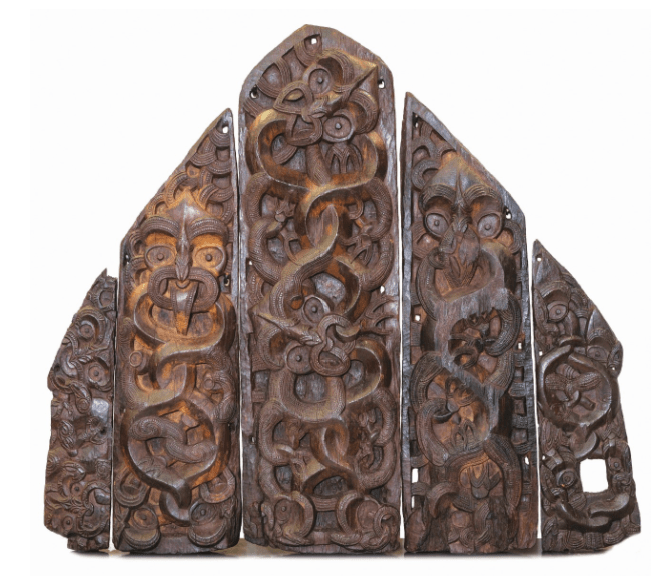
Historical Background: The Disputed Māori Carving
The dispute centered around a 19th-century Māori wood carving, a culturally significant artifact that was exported from New Zealand without proper authorization under the country’s Historic Articles Act 1962. The New Zealand government sought to recover the artifact when it was put up for auction in London, arguing that it had been unlawfully removed.
Legal Battle & Court Decisions
The case was fought in both the UK High Court and the Court of Appeal, before reaching the House of Lords. The New Zealand government contended that the artifact was unlawfully exported, and therefore, the UK should recognize its claim for restitution. However, the defense, led by Ortiz, argued that breaching export controls does not equate to theft under UK law.
The House of Lords ultimately ruled against New Zealand, determining that a breach of an export restriction in one country does not automatically render an item “stolen” under UK law. The court held that unless New Zealand’s law explicitly transferred ownership of exported cultural property to the state, the UK courts had no obligation to enforce the claim.
Legal Principles & Sources of Law Applied
Key Legal Frameworks:
- New Zealand’s Historic Articles Act 1962 – Restricting the export of culturally significant objects.
- UK Customs and Excise Management Act 1979 – Governing the movement of goods into and out of the UK.
- UNESCO 1970 Convention on Cultural Property – Providing international guidelines for preventing illicit trade in cultural artifacts (though not directly applicable at the time of the case).
Key Legal Doctrines & Standards:
- Distinguishing Export Violations from Theft: The ruling clarified that an object illegally exported does not necessarily constitute “stolen property” under UK law.
- Limits of Foreign Cultural Laws in UK Courts: The decision reinforced that national laws protecting cultural heritage do not have extraterritorial effect unless explicitly recognized by the UK.
- Good Faith Purchaser Protections: The ruling highlighted legal protections for individuals who purchase artifacts without knowledge of prior export violations.
Impact & Lessons for Cultural Heritage Law
The Ortiz case had lasting implications for cultural property restitution efforts, emphasizing the challenges source countries face when trying to reclaim unlawfully exported artifacts. Key takeaways include:
- Strengthening Domestic Laws: Source countries must ensure their laws explicitly transfer ownership of national treasures to the state if they wish to claim them abroad.
- Bilateral Agreements Are Essential: Establishing treaties or agreements with market nations can help enforce cultural property claims.
- The Art Market’s Role in Ethical Collecting: Dealers, collectors, and auction houses should implement rigorous due diligence to avoid handling unlawfully exported artifacts.
- Evolving International Norms: While Ortiz posed challenges, later cases and instruments like the UNESCO 1970 Convention have strengthened protections against cultural property trafficking.
Conclusion
Attorney General of New Zealand v. Ortiz was a defining case in cultural heritage law, illustrating the limitations of unilateral export restrictions in recovering cultural property from international markets. The decision highlighted the need for stronger international cooperation and legal frameworks to protect cultural heritage effectively.
Case: Attorney General of New Zealand v Ortiz [1982] 3 All ER 432 (HC & CA); [1983] 2 All ER 931 (HL) A.-G. of New Zealand v. Ortiz (H.L.(E.))
 LAW GEMS
Leave a comment