Introduction
The Tupuna Māori case (P580/88, High Court of New Zealand, Wellington) is a landmark decision in the realm of indigenous cultural heritage law, focusing on the repatriation of ancestral remains. This case reinforced the significance of Māori traditions and the role of legal mechanisms in returning culturally sacred items to their rightful custodians.
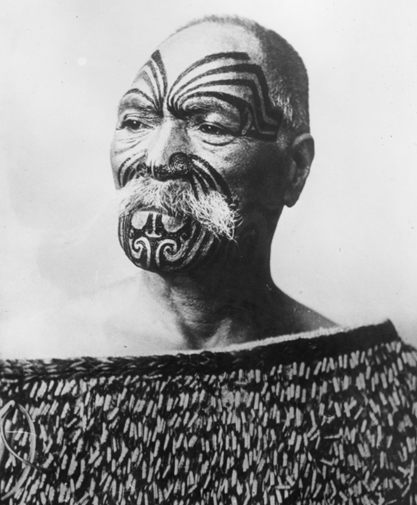
Historical Background: The Disputed Tupuna Māori Remains
The case involved the ancestral remains (Tupuna Māori) that had been removed from New Zealand during the colonial era and later surfaced in foreign collections. Māori iwi (tribes) and the New Zealand government sought their return, asserting that these remains held immense cultural and spiritual significance.
Legal Battle & Court Decision
The High Court of New Zealand recognized the sacred nature of the remains and acknowledged the claim of Māori iwi, ruling in favor of repatriation. Key findings included:
- Tupuna Māori are not commodities but integral to Māori identity and heritage.
- New Zealand’s heritage laws provide mechanisms for the return of ancestral remains.
- International human rights standards support indigenous communities in reclaiming their cultural heritage.
This ruling bolstered efforts for indigenous repatriation both in New Zealand and internationally.
Legal Principles & Sources of Law Applied
Key Legal Frameworks:
- New Zealand’s Antiquities Act 1975 – Protecting and regulating cultural heritage.
- Protected Objects Act 1975 – Governing the return of indigenous cultural property.
- UNESCO 1970 Convention on Cultural Property – Encouraging international cooperation in repatriation cases.
- UN Declaration on the Rights of Indigenous Peoples (2007) – Recognizing indigenous rights over cultural heritage.
Key Legal Doctrines & Standards:
- Recognition of Indigenous Cultural Rights: Māori claims to ancestral remains were legally upheld.
- Repatriation as a Legal and Moral Obligation: Courts recognized that indigenous groups have legitimate rights over their heritage.
- Cultural Sensitivity in Legal Decisions: The ruling emphasized Māori spiritual values in determining legal outcomes.
Impact & Lessons for Indigenous Cultural Protection
This case had significant implications for the global movement toward indigenous cultural repatriation:
- Repatriation as a Legal Precedent: Strengthened legal frameworks for indigenous claims.
- Institutional Accountability: Encouraged museums and collectors to return Māori ancestral remains.
- Strengthened International Cooperation: Reinforced collaboration between governments, indigenous groups, and cultural institutions.
- Advancement of Indigenous Rights: Acknowledged the broader significance of repatriation beyond legal ownership.
Conclusion
The Tupuna Māori case serves as a landmark decision in indigenous cultural restitution, emphasizing the intersection of law, ethics, and human rights. It highlights the evolving legal landscape in recognizing and restoring cultural heritage to indigenous communities.
Case: Tupuna Moari, P580/88 High Court of New Zealand, Wellington, 19 May 1988, Grieg J (Unreported decision) FPC-004-Review-of-Federal-and-Provincial-Legislation-WEB-SPREADS.pdf
 LAW GEMS
Leave a comment