Introduction
Kunstsammlung zu Weimar v. Elicofon (1981) is a pivotal case in Nazi-looted art restitution. The case revolved around two missing Albrecht Dürer paintings, originally housed in the Grand Ducal Museum in Weimar, Germany. Their disappearance during World War II and subsequent resurfacing in the U.S. led to a protracted legal battle over rightful ownership.
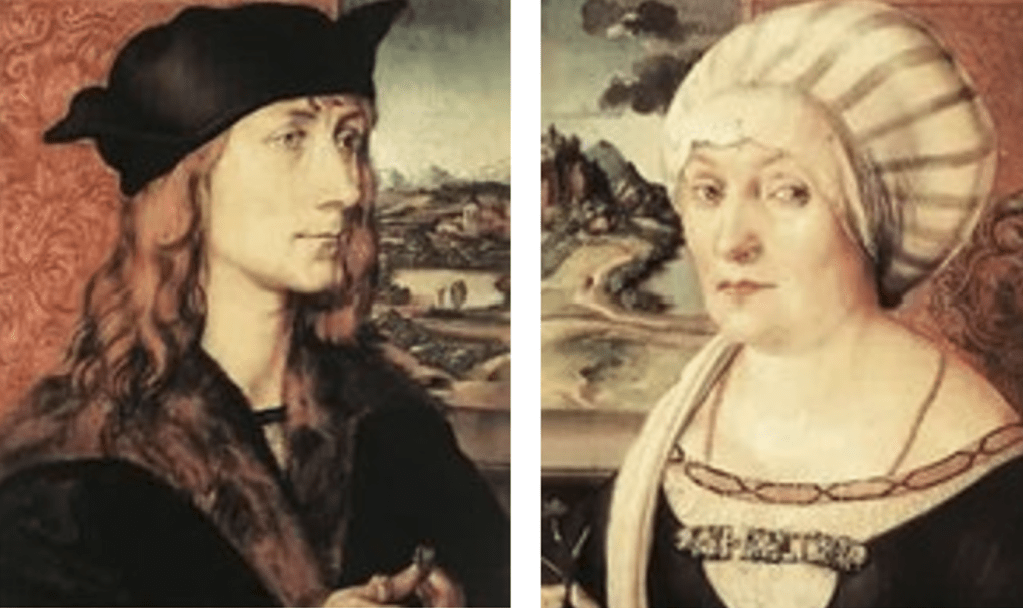
Historical Background: The Stolen Dürer Paintings
The two Dürer paintings were part of the prestigious Weimar collection before World War II. As the war concluded, they were stolen, likely by an American soldier. The paintings eventually surfaced in New York in the possession of Elicofon, who claimed to have bought them in good faith in 1946.
Decades later, German authorities discovered the paintings’ whereabouts and initiated a legal battle for their return, arguing that they were stolen property and never lawfully removed from German ownership.
Legal Battle & Court Decisions
Elicofon contended that he was a good faith purchaser and, therefore, had legal ownership. However, the U.S. District Court ruled in favor of Kunstsammlung zu Weimar, determining that:
- The paintings were unlawfully removed and remained stolen property under U.S. law.
- Germany had never lost its legal title to the paintings.
- A thief cannot transfer good title, even to an innocent purchaser.
The ruling reinforced international restitution efforts for looted artwork and clarified the application of U.S. stolen property laws to foreign cultural property claims.
Legal Principles & Sources of Law Applied
Key Legal Frameworks:
- National Stolen Property Act (18 U.S.C. § 2314-2315) – Governing the interstate and international movement of stolen goods.
- New York Common Law on Stolen Property – Affirming that a purchaser cannot acquire legal title to stolen property.
- Hague Convention of 1907 – Establishing protections for cultural property during wartime.
Key Legal Doctrines & Standards:
- Good Faith Purchaser Defense (Rejected): A buyer cannot claim ownership of stolen property, regardless of their knowledge or intent.
- Nemo Dat Quod Non Habet: The fundamental legal principle that a thief cannot convey good title.
- Recognition of Foreign Ownership Laws: U.S. courts upheld Germany’s ownership claim, reinforcing international cooperation in cultural restitution.
Impact & Lessons for the Art Market
This case had far-reaching implications for museums, collectors, and legal practitioners, emphasizing:
- Due Diligence & Provenance Research: Art buyers must verify an artwork’s legal history before acquisition.
- Legal Risks in Nazi-Looted Art Cases: Institutions must be prepared for potential restitution claims.
- Strengthened Legal Precedents for Restitution: This case paved the way for future rulings in favor of returning looted cultural property.
- International Legal Cooperation: The decision reinforced the need for global efforts to combat illicit art trade.
Conclusion
Kunstsammlung zu Weimar v. Elicofon remains a cornerstone case in Nazi-looted art restitution, demonstrating the legal commitment to returning stolen cultural heritage. The ruling serves as a warning to collectors and institutions that provenance research is not just an ethical duty but a legal necessity.
Case: Kunstsammlung zu Weimer v Elicofon 536 F. Supp 829 (E D N Y 1981) Kunstsammlungen Zu Weimar v. Elicofon, 536 F. Supp. 829 (E.D.N.Y. 1981) :: Justia
 LAW GEMS
Leave a comment